

As spring arrives, homeowners start noticing the little things in their yards again. Fresh grass and the return of birds are welcome signs of the season. But sometimes spring also reveals something a bit more concerning, a tree that seems to be leaning just a little more than it did last year.
Leaning trees are a common concern for homeowners, especially after a long winter, saturated soil, and strong winds. While some trees naturally grow at a slight angle, a noticeable change in lean can signal that something more serious is happening beneath the surface.
Why Trees Start Leaning
A tree rarely leans without a reason. In many cases, the issue starts underground where you can’t see the problem.
1. Soil Saturation from Winter & Spring Rain
Spring often brings rainfall, which can soften the soil around a tree’s root system. When the ground becomes overly saturated, it may lose the strength needed to hold a tree upright. This is especially true for larger trees with heavier canopies.
2. Wind Damage
Strong seasonal winds can gradually shift a tree’s position. Even if the movement is small, repeated wind stress over months or years can cause a tree to tilt more noticeably.
3. Root Damage or Decay
Healthy roots anchor a tree firmly in the ground. However, construction, lawn work, disease, or natural decay can weaken these roots. Once the structural roots are damaged, the tree may begin leaning as its support system weakens.
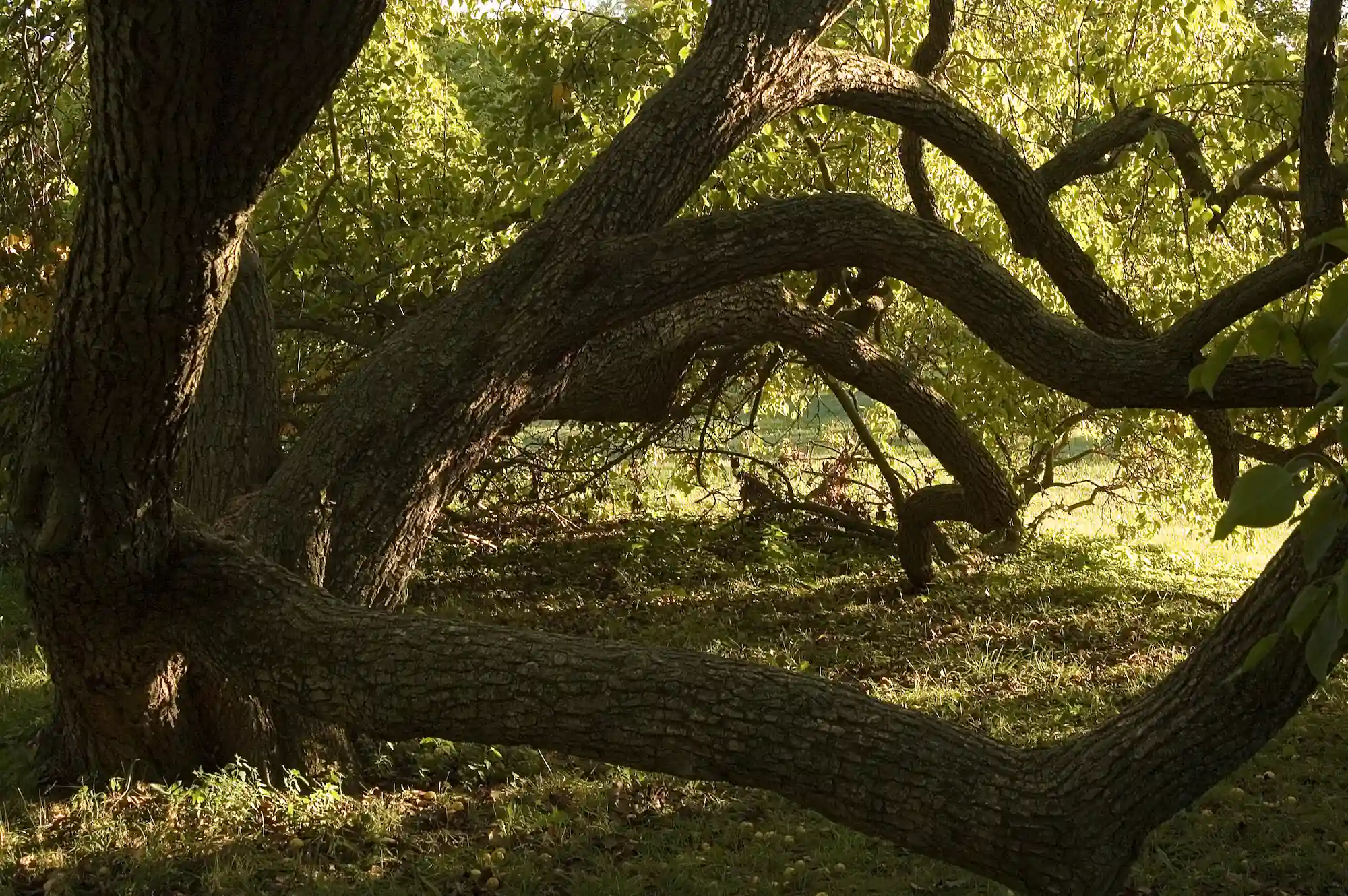
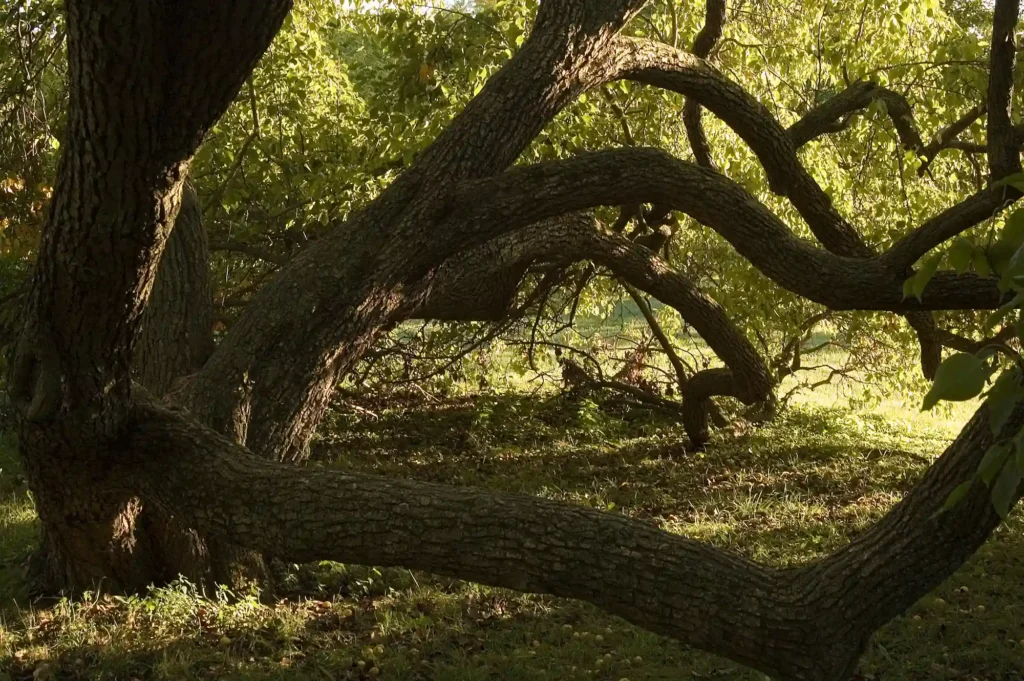
4. Uneven Growth
Sometimes a tree leans because it has grown unevenly while reaching for sunlight. While this may look harmless, uneven weight distribution can still increase the risk of the tree falling during storms.
Signs a Leaning Tree May Be Dangerous
Not every leaning tree is an emergency, but certain signs should never be ignored.
Look out for:
- Exposed or lifted roots on one side of the tree.
- Cracks in the soil around the base of the trunk.
- Sudden changes in the angle of the tree.
- Splits or cracks in the trunk.
- Dead or falling branches near the top of the canopy.
If a tree appears to have shifted recently or continues to lean more over time, it could be unstable and at risk of falling.
How Green Pine Tree Service Can Help
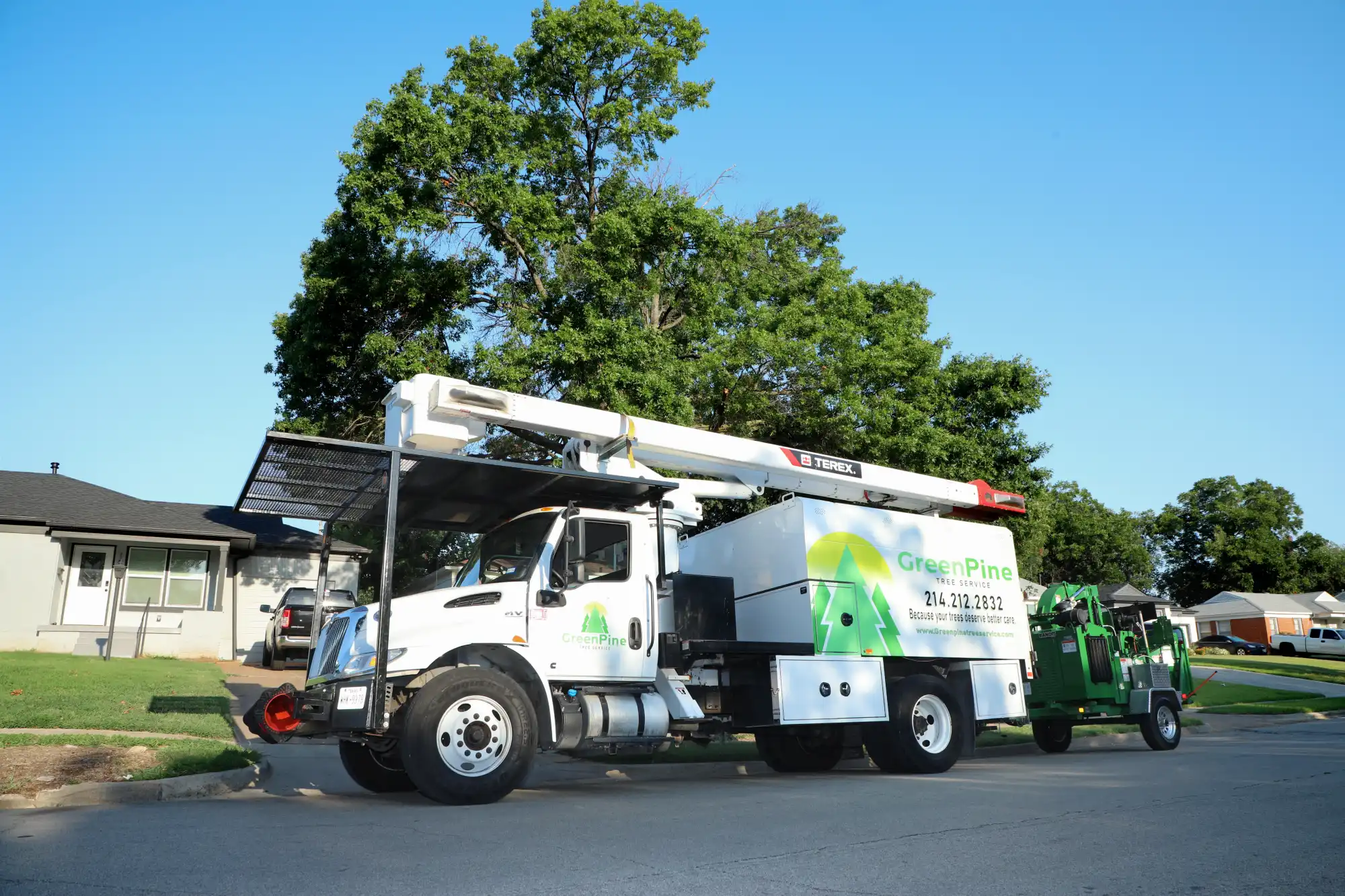
Green Pine Tree Service specializes in identifying structural tree issues before they turn into emergencies. Our experienced team understands how soil conditions, root systems, and seasonal weather patterns affect tree stability.
With a professional evaluation from us, we can determine:
- Whether the tree is safe to remain in place.
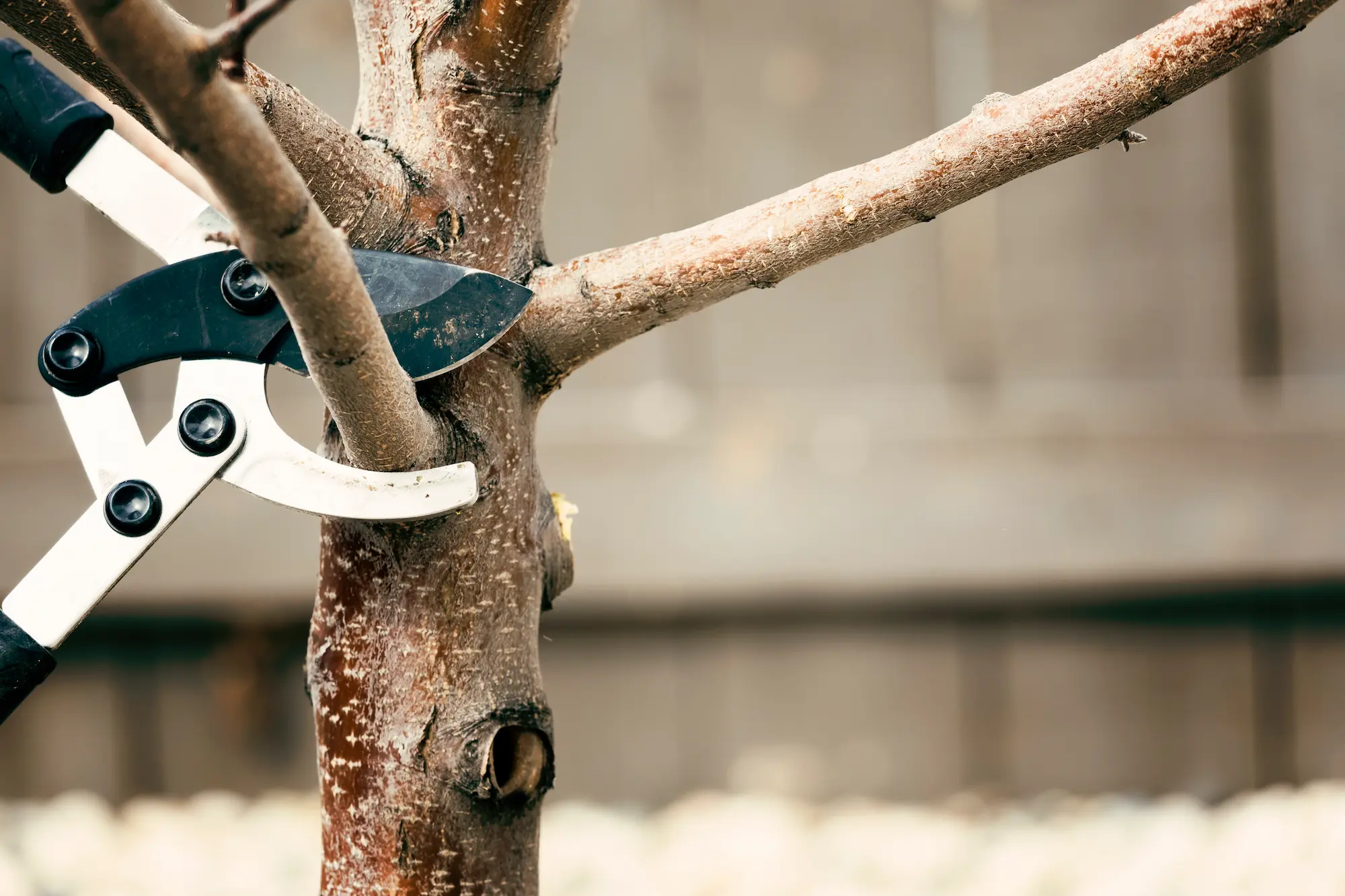
- If pruning or trimming can help rebalance the canopy.
- Whether support systems like cabling or bracing could stabilize the tree.
- If safe removal is the best solution to protect your property.
When in Doubt, Check it Out
Green Pine Tree Service is here to help homeowners make informed decisions about their trees. With expert knowledge and the right equipment, our team can safely evaluate, maintain, or remove trees to keep your yard beautiful and your home protected.